

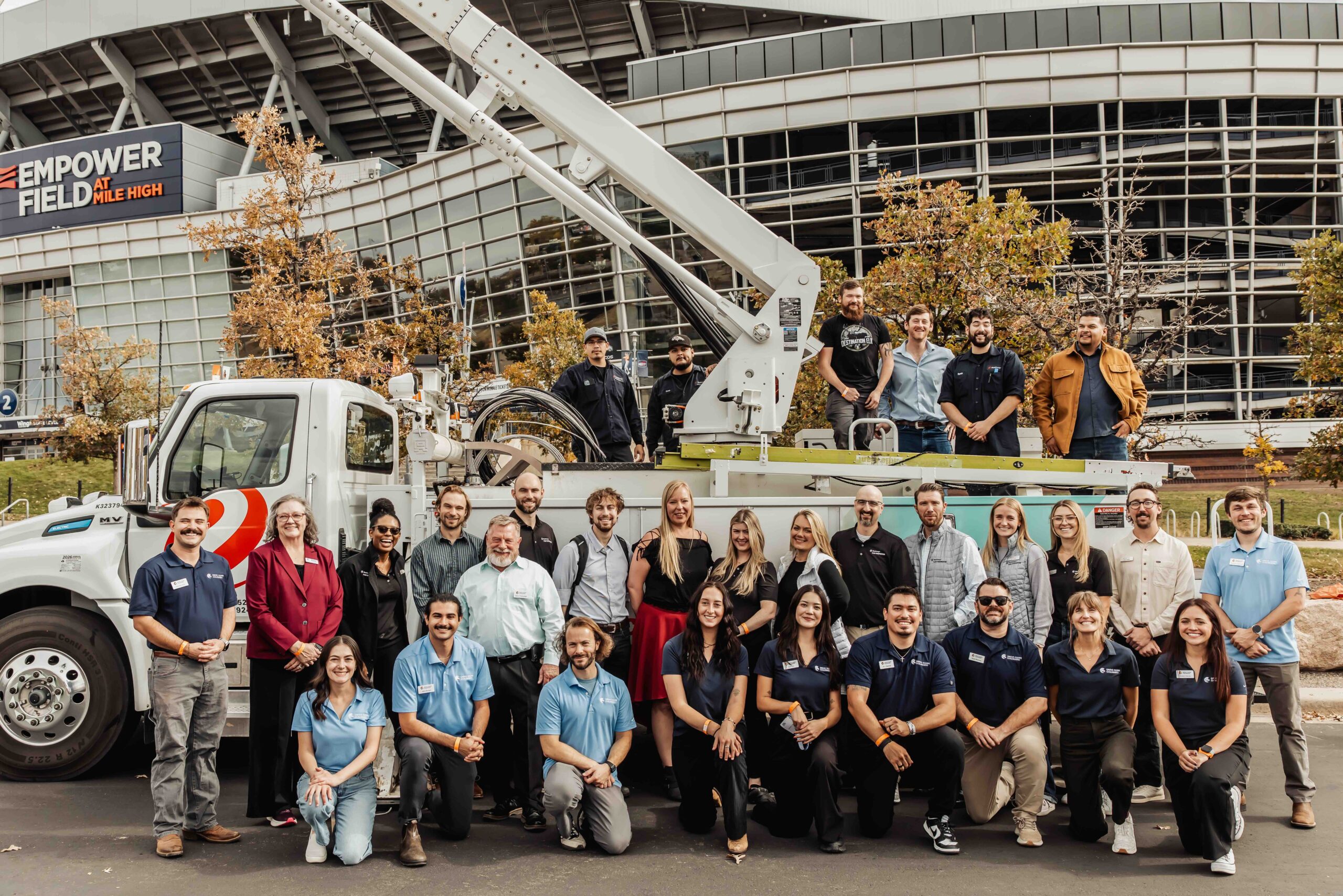
Colorado’s clean transportation landscape continues to evolve, bringing new opportunities as well as questions about what comes next. From expanding infrastructure and preparing the workforce to understanding community needs and making transportation more accessible, there are many factors shaping the transition.
The 2026 Drive Clean Summit + Expo, hosted by Drive Clean Colorado, returned to Empower Field at Mile High on October 22nd to bring together members of Colorado’s clean transportation community for a day of industry-wide collaboration. DCSE welcomed 357 attendees and featured 32 indoor exhibitors, 27 outdoor exhibitors, and 47 speakers, moderators, and panelists. The event fostered a space for people across the industry to share perspectives, discuss challenges, and explore what comes next.
Collaboration
Throughout DCSE, collaboration came up as an important part of moving clean transportation forward. The event saw representation from 138 companies and organizations including businesses, utilities, municipalities, fleet operators, and community organizations who all play a role in the transition. Sharing knowledge and involving the right people early can help address challenges, identify opportunities, and make projects more successful.
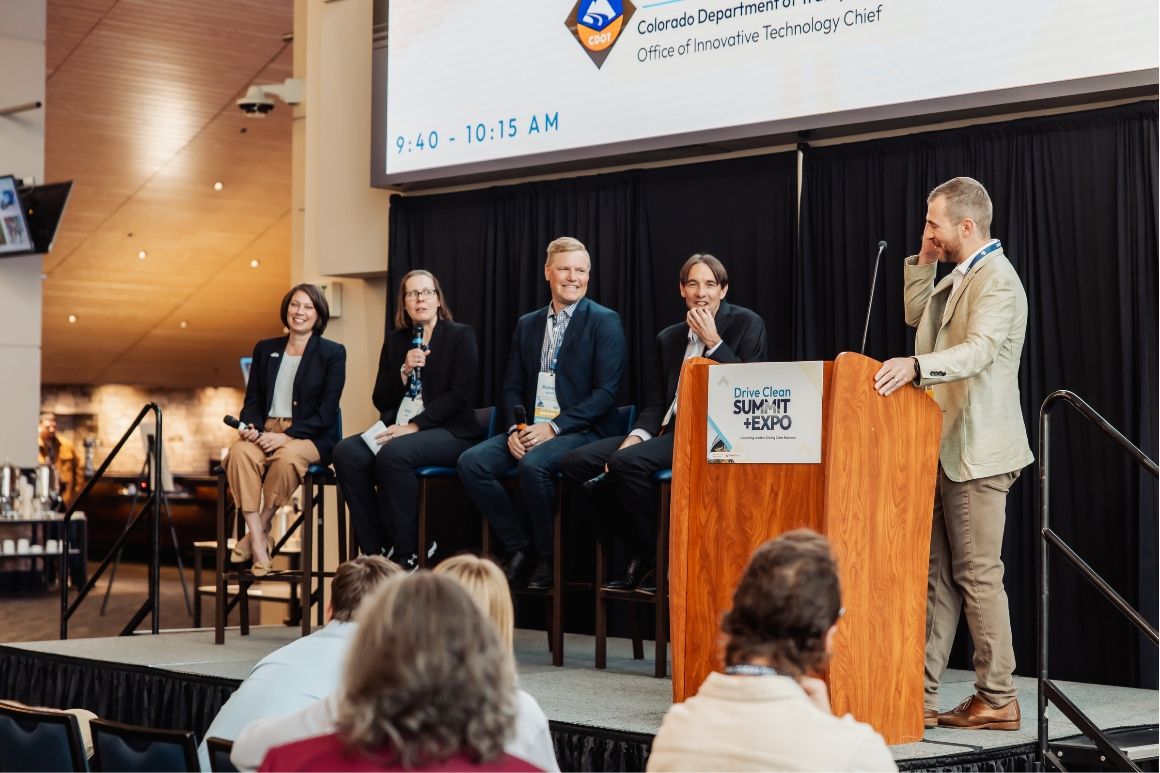
During the What’s Next? The Future of Transportation is Already Here session, Josh Ingalls, Clean Transportation Innovation lead for Xcel Energy emphasized the importance of early utility engagement, noting that early involvement could unlock capacity. Working with utilities from the beginning can help organizations better understand available electrical capacity, plan for infrastructure needs, and make more informed decisions when developing charging projects. This collaboration can help identify potential challenges earlier in the process and support projects as they move from planning to implementation.
Addressing the Challenges of Implementation
Putting clean transportation solutions into practice requires planning, coordination, and an understanding of the challenges organizations face. Each session allowed attendees to dig further into the nuance of where clean transportation is and where it is headed. In the opening session Clean Transportation at a Crossroads: Where Do We Go from Here? We heard about the importance of EV education and alleviating the barriers to EV adoption. A common concern with consumers is the range of an EV. Expanding charging infrastructure involves working through permitting, financing, and long-term reliability. Even among those who have transitioned to an EV, there is too much focus on DC fast charging and not enough on the potential of Level 1 and Level 2 charging. EV ranges have changed, so can the charging capabilities.
During the Fleets Unfiltered: What Would You Buy Today? panel discussion, we heard from leaders in fleet operations about the challenges of navigating changes in vehicle costs, maintenance, and repair capabilities as new technologies become more widely available. Two notable points made during the session are that fleets need the ability to repair things quickly with better attributed service departments and that budgeting needs to adapt to more significant costs to accommodate EV depreciation and charging infrastructure maintenance.
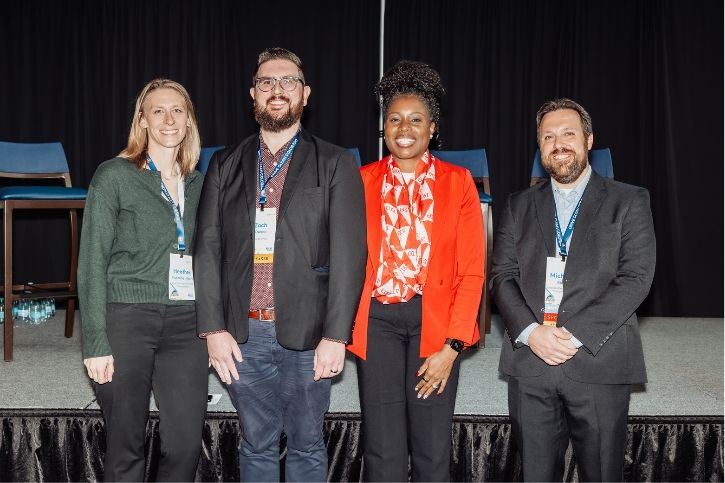
At the same time, the industry needs a workforce prepared to support those changes, creating new opportunities for training and certification. Training the Clean Transportation Transition highlighted challenges including the gap in electricians trained in EV work due to a lack of interest and cost-influenced barrier to entry. The panel discussed the option of a standardized EV tech role definition, an electrician certification program, and a dedicated grant for targeting EV training and compensation to make the specialty more accessible.
Exploring the Future of Transportation
DCSE brought attention to the range of transportation solutions being explored. Electric vehicles are one part of the transition, but alternative fuels and other mobility options also have a role depending on how and where they are used. Discussions around transit, micromobility, and emerging transportation technologies highlighted the different approaches being considered. In Moving More People: What’s Next for Transit & Mobility in Colorado, we heard about the ways that alternative transportation methods can benefit Colorado and beyond. Communities can learn from one another—while Colorado is the leading state for EV adoption based on vehicle registration data, cities like Montreal and New York offer valuable lessons in the success of their mobility hub andelevated bike storage solutions city-wide.
Keeping Communities at the Center
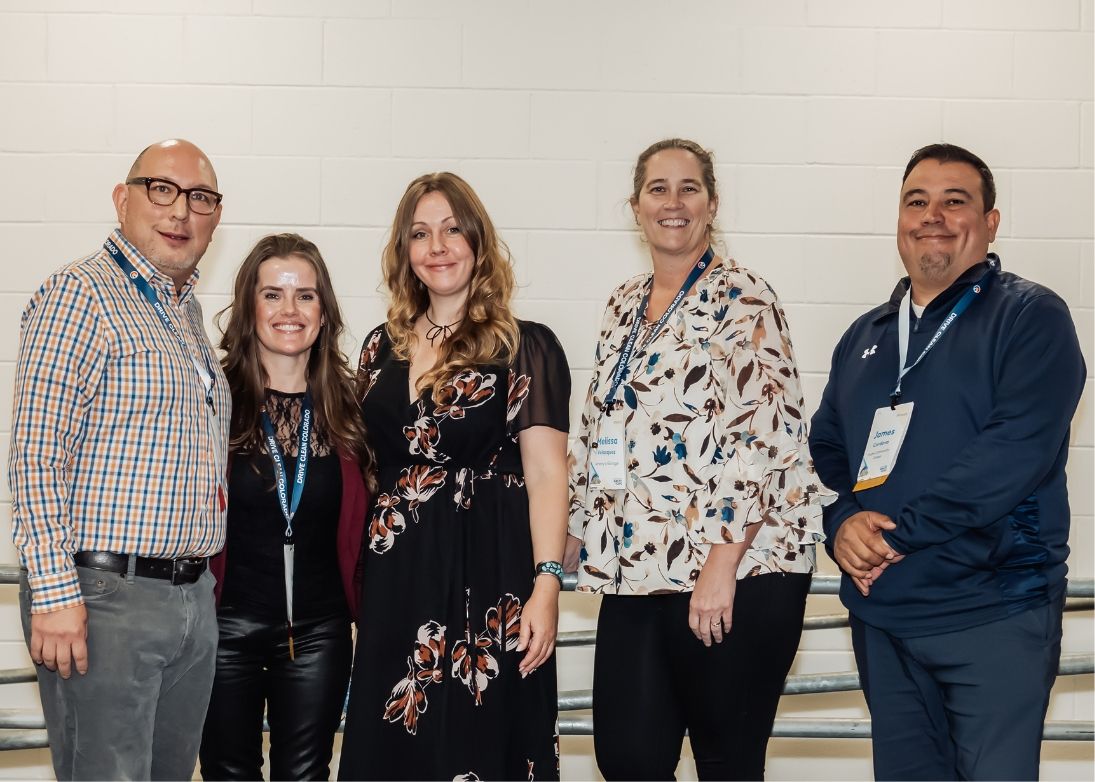
As new and alternative transportation technologies continue to evolve, it is important to understand the needs of the people using these systems, including accessibility and affordability. During this session, the conversation turned to a discussion about autonomous vehicles where Shelley Francis, Cofounder and Managing Partner at EV Noire, pointed out that “People want to be able to ask questions rather than just have them plopped into their neighborhoods.” Her comment speaks to the importance of involving communities in conversations about new technologies and considering their perspectives as transportation changes.
Continuing the Conversations
The conversations started at DCSE are part of a broad effort that continues throughout the year. Bonnie Trowbridge, DCC’s Executive Director, shares, “Drive Clean Colorado has always been built on relationships, and DCSE26 was a wonderful reminder of the strength of this community. Everywhere I looked, people were sharing their experiences, introducing colleagues, and finding new ways to work together.” Drive Clean Colorado’s goal with DCSE is to connect organizations and stakeholders, encourage collaboration, and help share the knowledge and resources needed to continue supporting the transition to clean transportation in Colorado.
The conversation doesn’t stop here! Keep an eye on our DCSE webpage and follow Drive Clean Colorado on social media for more event takeaways, statistics, facts, and announcements about next year’s Drive Clean Summit + Expo.
Want to see more pictures from DCSE? Check here.